
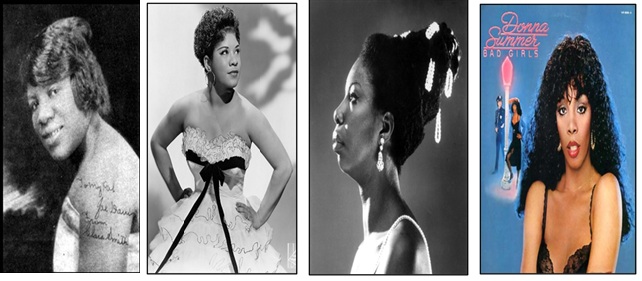
This course will introduce students to the history and study of secular African-American music from the 1920s “race records” that popularized jazz and blues to hip hop’s birth out of late 1970s disco culture. The course will discuss several important artists and developments, but its focus will be on four female singers whose lives and careers offer useful insights into Black music’s history and Black artists’ experiences in the music industry:
- · Spartanburg’s Clara Smith, the “Queen of the Moaners” and one of several queer Black women who helped to shape the early blues tradition.
- · “Miss Rhythm” Ruth Brown, one of the most important and influential 1940s and 1950s R&B artists who, despite being one of the creative forces behind Atlantic Records’ success, never benefited financially from her success.
- · “The High Priestess of Soul” Nina Simone, a tormented bisexual woman who seamlessly blended classical, blues, jazz, and soul sounds to become one of the 1960s’ most powerful voices.
- · The Queen of Disco” Donna Summer, whose music reflected the 1970s’ musical and sexual revolutions and became one of the foundational pillars of 1980s and 1990s Black music.
- Teacher: Bria Harper
- Teacher: Dwain Pruitt